
Training Tools: Weekly Planner & Session Log
Last updated:
Turn a guide into a plan you can repeat. Use these original Ko Myat worksheets to choose your days, record the work you actually did, and review the setup before starting.
For general adult exercise planning, not medical assessment or a personalized training prescription. Start with the Start Here guide if you need a routine.
Take the worksheets with you
Download a blank, one-page A4 worksheet to print or keep on your phone. No account is needed. These are printable PDFs, not interactive form files; they do not include anything you type into the web worksheets below. Use the Print / save PDF button for your current web entries.
- Download weekly planner (PDF)Seven days, extra-work notes and a next-week review.
- Download session log (PDF)Four movements, setup details, amounts and a next-session choice.
- Download space and equipment checklist (PDF)Six prompts for reviewing the exercise area and equipment.
Think about the space before the movement
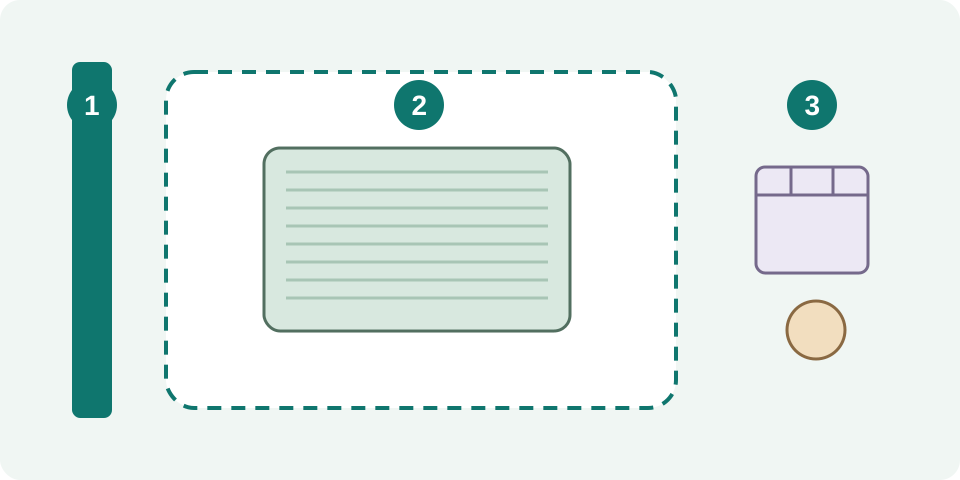
- Fixed support: check that the support is suitable for the planned task. A wall in a drawing is not a verified exercise station.
- Movement area: allow space for the whole movement and a controlled return. Use the setup and coaching advice for the actual exercise.
- Loose objects: keep bags, small equipment and other obstacles outside the movement area.
If you cannot verify the setup, change the plan rather than copying the drawing. Read thebeginner workout's equipment optionsbefore choosing exercises for a small home space.
Use the notes to make one decision
Before the next session, compare the same variation and setup. Decide whether to repeat it, make it easier, leave it out, or discuss a change with a qualified coach. Do not increase sets, repetitions and difficulty together just to fill the planner.
Try the worksheets alongside the beginner strength plan,warm-up guide ordesk-break movement menu.
What supports these worksheets?
The layout, counts and planning examples are Ko Myat tools, not a tested program or a readiness test. For the wider guidance behind the linked articles, seeMayo Clinic's general strength and recovery adviceand AAOS guidance on gymnastics equipment and coaching. The AAOS page also contains youth-specific recommendations; it does not validate this adult planner.
Prepared with AI assistance. No independent coaching or clinical review is claimed.Read our editorial policy or report a problem.