
How to Warm Up: An Adaptable 10-Minute Strength Routine

A warm-up is a gradual transition into the work you plan to do. Use it to begin moving, rehearse the session, and notice symptoms before adding difficulty. It is not a guarantee against injury or a test that makes every planned exercise suitable.
The sequence below is an adaptable ten-minute example for general adult strength practice. It is not a complete gymnastics warm-up or rehabilitation program. A coach may need more time and different preparation for inversions and acrobatics.
Choose the session before the warm-up
Know which movements you intend to train. Squats need a different rehearsal from rows, while hand-supported work adds wrist loading. If you are unwell or have an injury or concerning symptoms, do not use warming up as a way to push through them.
The NHS warm-up example uses gradual marching and simple movements, with advice to extend preparation when needed. The Ko Myat sequence below is a separate example; its timings are approximate.
Part 1: Start moving easily
Spend roughly three minutes walking, marching in place, or cycling gently. Use low-impact step movements if jumping is uncomfortable or unsuitable. Increase effort gradually while remaining able to talk comfortably.
There is no need to chase sweat or a heart-rate target. Extend this part if you still feel cold or stiff. Shorten or stop if it leaves you unexpectedly fatigued, dizzy, or unwell.
Part 2: Explore the ranges you will use
Spend about three or four minutes on a few relevant movements. You do not need to complete every item:
- Squat session: shallow squats and small ankle rocks while holding a fixed support if needed.
- Pushing or pulling: comfortable shoulder circles and easy arm raises.
- Floor exercises: gentle hip hinges or a few small cat-cow movements if comfortable.
- Hand-supported work: unloaded wrist movement, then a light wall lean or knees-down support.
Begin with a few controlled repetitions. Stay within a comfortable range and avoid forcing a stretch. The wrist preparation guide explains how to reduce load without turning the warm-up into a fingertip-strength workout.
Part 3: Rehearse the actual exercises
Use the final few minutes for easier versions of today’s work:
| Planned work | Possible rehearsal |
|---|---|
| Incline push-ups | A few repetitions at a higher fixed support |
| Bodyweight squats | A few shallow repetitions or sit-to-stands |
| Rows | A more upright, foot-supported version on rated equipment |
| Gymnastics preparation | A low drill selected by your coach |
Rest before the working session. The rehearsal should not become a set to exhaustion. Full hangs, kick-ups, wall walk-ups, and long hollow holds are substantial work, not automatic beginner warm-up exercises.
Use the result to change the plan
If the easier rehearsal is comfortable and controlled, begin the planned work gradually. If control is poor, use the easier version for the session. If something hurts, stop that movement; pain disappearing briefly during preparation is not a diagnosis or clearance.
For example, a hypothetical reader plans floor push-ups but can only control a high incline today. They choose the incline rather than repeating floor attempts until they feel ready. Another reader feels unusually dizzy while marching and stops instead of finishing the ten-minute target.
Where stretching fits
For a flexibility session, first spend time moving gently, then approach the stretches gradually. Mayo Clinic advises warming muscles before stretching. A long held stretch does not replace the transition into activity.
Before explosive or maximal work, the placement of prolonged static stretching matters; see static versus dynamic stretching. Do not interpret “dynamic” as permission to swing into an uncontrolled range.
Keep a short version in your log
Record three items: easy movement, relevant ranges, and easier rehearsal. Add what changed afterward: same plan, easier variation, or stopped. That makes the warm-up useful information rather than a routine you complete regardless of how you feel.
Build a warm-up card for today’s session
Choose from the session you intend to do, rather than collecting more drills. Copy one line from each column into your log. The combinations below are editorial examples, not sport-specific protocols.
| Today’s work | Easy movement | Relevant range | Easier rehearsal |
|---|---|---|---|
| Squats and wall push-ups | Comfortable marching | Shallow squat and arm raises | A few easy reps of each |
| Rated-equipment rows and bridges | Comfortable walking | Small shoulder movements and hip hinges | More upright rows and a small bridge |
| Gentle desk-break mobility | A brief walk if suitable | Small standing weight shifts | Try the first position with a smaller stance |
For a coached gymnastics session, ask the coach to choose the loaded preparation and entry practice. A general card cannot account for your skill, spotting arrangements or equipment.
If you have less time, change the session too
Do not compress the same demanding workout into a short slot by rushing preparation. A hypothetical reader with a brief break might do easy movement, rehearse a wall push-up and perform a smaller strength session. They leave a new skill attempt for the coached lesson. This is a scheduling choice, not a claim that a shortened warm-up is enough for every task.
On the session worksheet, write what the rehearsal changed: “kept the plan,” “used the higher support,” or “stopped.” Do not mark yourself ready solely because ten minutes elapsed or you started sweating.
Sources and further reading
These resources support the topics noted below. The practice routine and progression checkpoints are Ko Myat examples, not programs endorsed by these sources.
- NHS: Warming Up Before Exercise — General warm-up example and exercise suitability; not the Ko Myat sequence.
- Mayo Clinic: Stretching and Flexibility — Warm muscles, comfortable tension, no bouncing, and general stretching practice; not a splits prescription.
Organize your practice with the weekly planner, session log and setup checklist. Record your own choices; the worksheets do not assess skill readiness.
Related guides
Connected topics to explore, not a required training sequence.
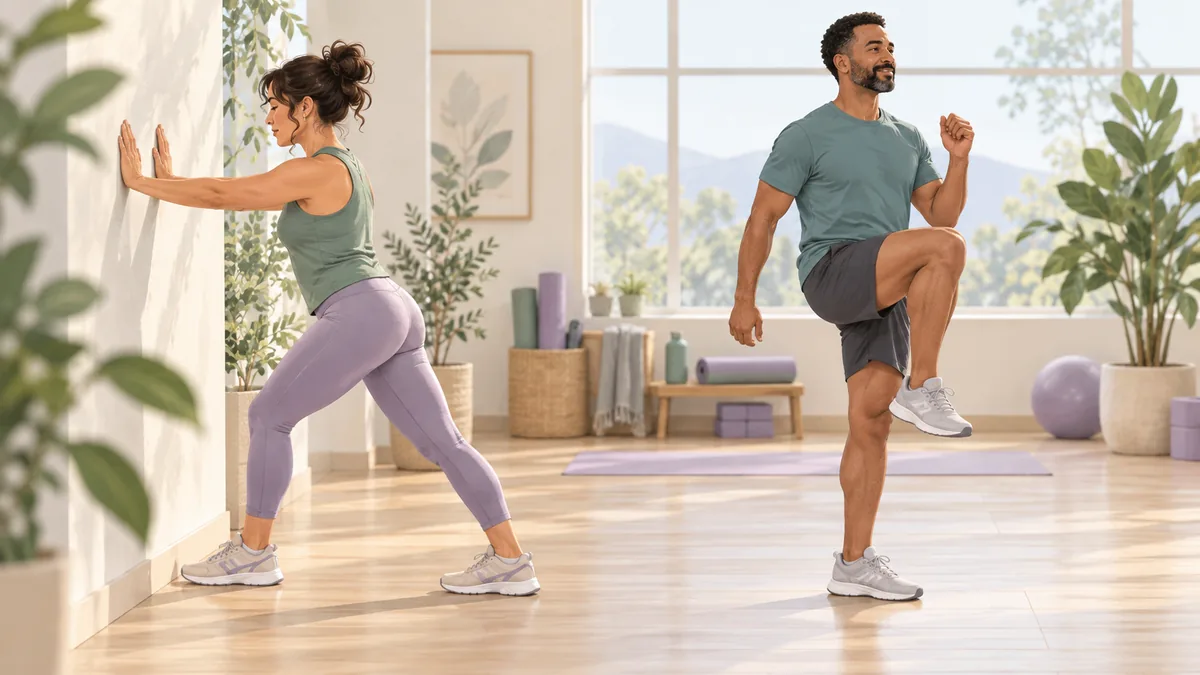
Static vs Dynamic Stretching: When to Use Each
Compare held and moving stretches, understand active versus passive work, and choose stretching that fits the session and performance context.
· 3 min read

Wrist Preparation and Load Management for Hand-Supported Exercise
Use light wrist preparation, optional manageable resistance, and a loading log for push-ups and gymnastics without treating pain as a training target.
· 3 min read
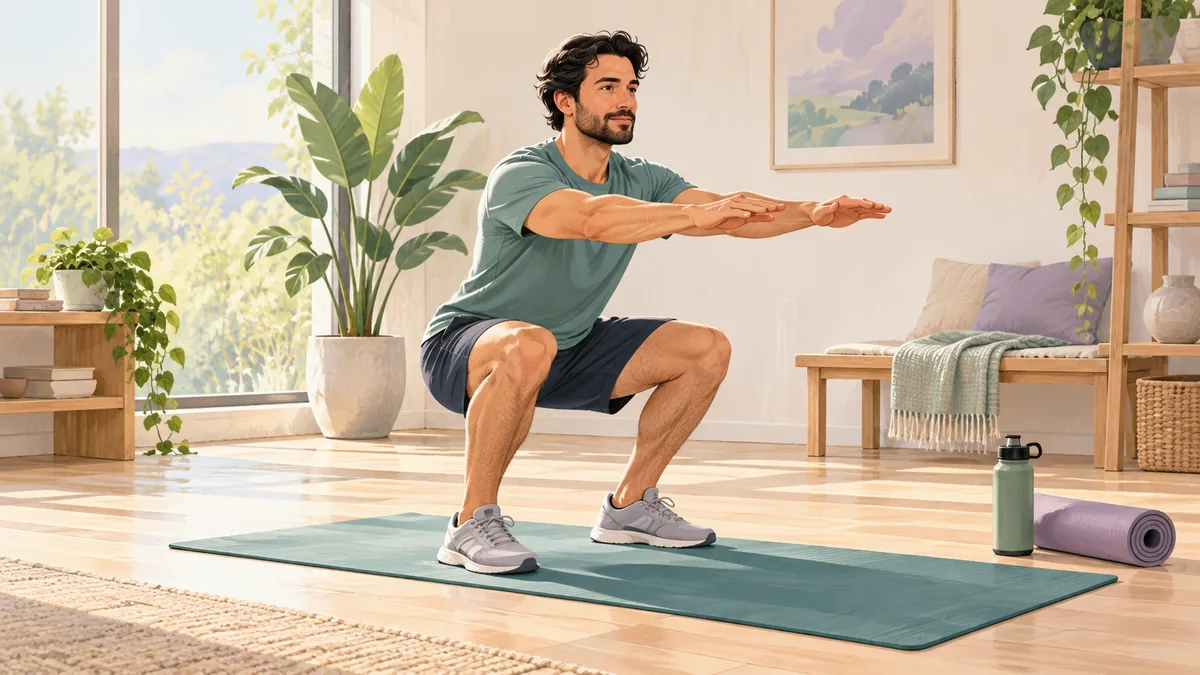
Beginner Bodyweight Workout: An Adjustable Home Strength Plan
Start a bodyweight strength routine with manageable sets, easier variations, equipment checks, and a log that helps you decide when to progress.
· 5 min read