
Hip Mobility for Desk Workers: Short Breaks and Floor Options
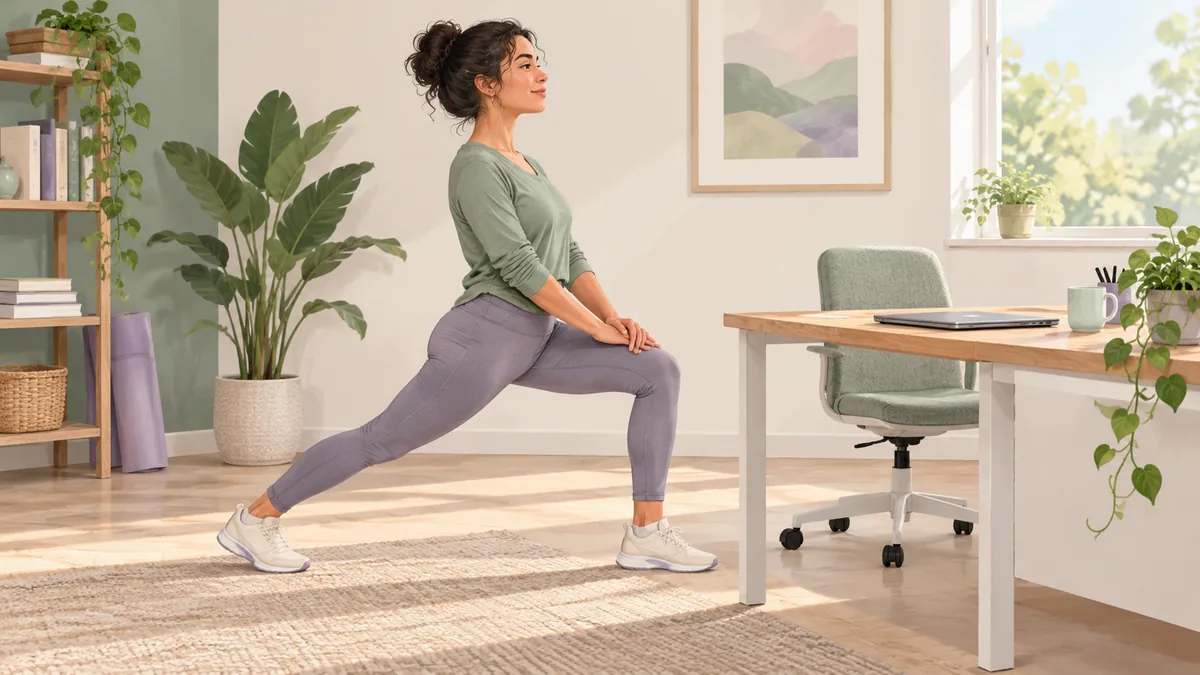
If you feel stiff after a long period at the desk, changing position and moving comfortably may help you explore how you feel. Stiffness alone does not prove that your hip flexors have shortened, your glutes have “switched off,” or you need a particular corrective exercise.
This is a general movement menu, not treatment for hip, back, or leg pain. You can use a two-minute desk break, a longer floor session, or neither if symptoms need assessment first.
Choose a desk break you can actually use
Stand and walk a short comfortable distance, then return to work or change position. If useful, set a reminder between tasks. An interval such as every half hour or hour is a practical prompt, not a proven medical threshold.
The CDC adult activity guidance encourages moving more and sitting less. Brief breaks do not replace the wider aerobic and strengthening recommendations.
If walking is not suitable, consider a comfortable seated position change or an individually advised movement. A standing desk is optional, and standing still for hours does not provide the same variety as moving.
A short standing option
Use a fixed support for balance if needed:
- Walk or march gently for a short period.
- Step one foot a little behind you in a comfortable split stance.
- Keep the torso relaxed and make a small weight shift without forcing the lower back to arch.
- Return and change sides.
The cover illustrates a standing stance. You do not need to reproduce its depth or wear exercise clothing to take a movement break. Stop if the position produces pain, tingling, or a pinching sensation.
A longer floor option
After a little easy movement, choose two or three of these. A roughly ten- to twelve-minute slot can include setup and rest; it is not a requirement to hold every position for two minutes.
Small cat-cow movements
On hands and knees, gently change the back’s position within a comfortable range. Use a different option if kneeling or wrist support is uncomfortable. There is no need for a deep arch.
Seated hip switches
Sit with knees bent and hands supporting behind you. Let the knees move a small amount side to side. Keep the feet where they can move comfortably; a precise ninety-degree shape is unnecessary. Do not force a knee down to achieve hip rotation.
Supported half-kneeling stretch
Use knee padding and a stable balance support. Shift slightly until you notice mild tension at the front of the back hip. If kneeling is uncomfortable, use the standing version instead.
Lying figure-four position
Lie with both knees bent. Rest one ankle lightly across the other thigh only if the hip and knee remain comfortable. Keep the lower foot on the floor rather than pulling the legs in strongly. Leave it out if it pinches or strains.
Floor glute bridge
With feet planted and knees bent, lift the hips a small comfortable amount, then lower. Try a few controlled repetitions. This is an exercise choice, not a way to reactivate a muscle proven to be dormant.
Choose the amount by comfort
For a held stretch, start briefly and use gentle tension. Mayo Clinic’s stretching advice recommends warming up and not stretching into pain. It does not establish this menu as a treatment for desk-related symptoms.
Try one round before adding another. Do not force a deep squat or spinal twist just to complete a list. If a movement leaves you more uncomfortable later, reduce or remove it and seek advice if symptoms persist.
Make the routine useful to you
Record which option fits your workspace and how ordinary movement feels afterward. For example, a reader may find short walks easier to sustain than a full floor routine. That is a valid choice; there is no need to add more exercises solely to make the session longer.
Persistent pain, radiating symptoms, weakness, or stiffness that substantially limits daily life warrants assessment. No fixed number of weeks or days of this routine can predict your response. Use the recovery guide to avoid turning a light break into another demanding workout.
Choose by workspace, not by the longest exercise list
| Where you are | A practical option | What to leave out |
|---|---|---|
| Shared office with no floor space | A comfortable walk and a small standing stance change | Floor drills that obstruct a walkway |
| Home workspace with clear, non-slip floor | Pick two comfortable floor options after easy movement | Any drill requiring support you cannot secure |
| Kneeling does not suit you | Use the standing option or another comfortable position change | Half-kneeling solely to complete the routine |
| No private exercise space | Change position or take an ordinary movement break where suitable | Trying to copy a cover illustration in a cramped area |
These choices organize access and convenience. They do not identify the cause of stiffness or make a painful position safe.
Run a simple repeatability experiment
Choose one option that fits a natural break in your day, such as finishing a task. In a notebook, record the setting, the option and whether it was practical enough to repeat. Keep the comparison small: do not change the reminder, exercises and amount together if you want to understand which choice fits your routine.
A hypothetical reader finds that clearing the floor takes longer than their break allows. They switch to a short walk, without concluding that walking has “corrected” their hips. This is a convenience example, not evidence of a medical effect.
The session log can hold a short entry such as “after lunch, comfortable walk; easy to repeat.” You do not need a flexibility score or a goal of achieving a deeper position each day. If symptoms are the problem, a better log does not replace assessment.
Sources and further reading
These resources support the topics noted below. The practice routine and progression checkpoints are Ko Myat examples, not programs endorsed by these sources.
- CDC: Adult Activity Overview — Population activity recommendations; not this sample workout.
- Mayo Clinic: Stretching and Flexibility — Warm muscles, comfortable tension, no bouncing, and general stretching practice; not a splits prescription.
Organize your practice with the weekly planner, session log and setup checklist. Record your own choices; the worksheets do not assess skill readiness.
Related guides
Connected topics to explore, not a required training sequence.
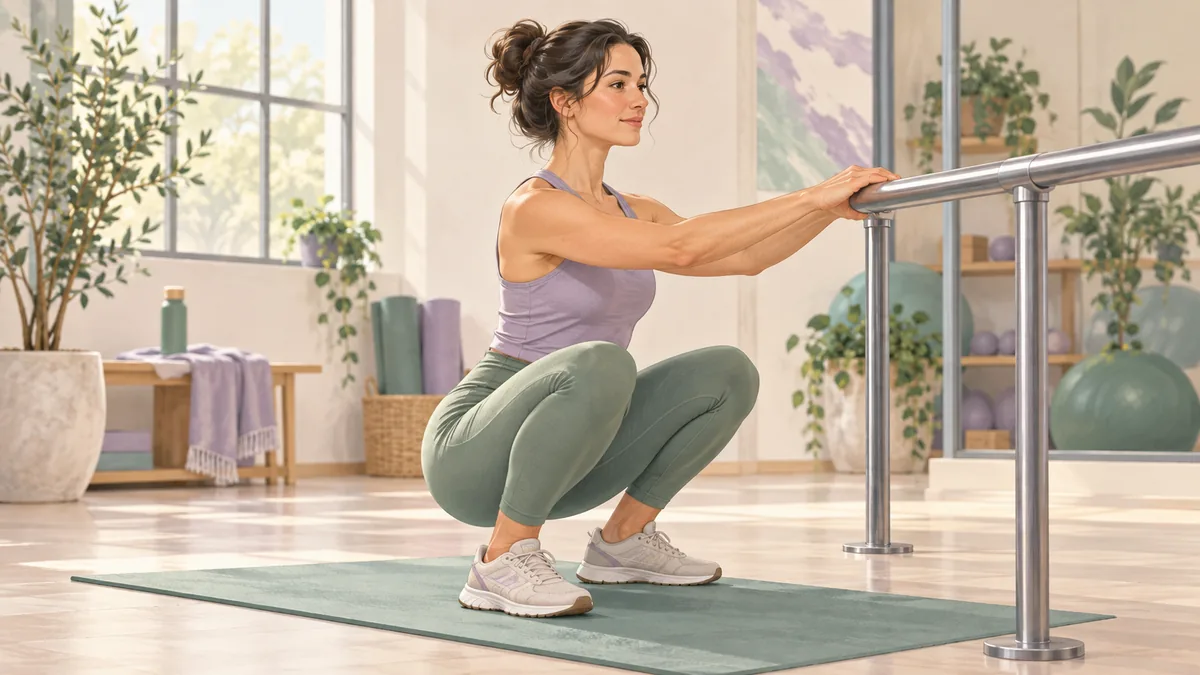
How to Sit in a Deep Squat: Ankle and Hip Mobility Guide
Explore supported squats and comfortable ankle movement, choose stable equipment, and track depth without treating a self-check as a diagnosis.
· 3 min read
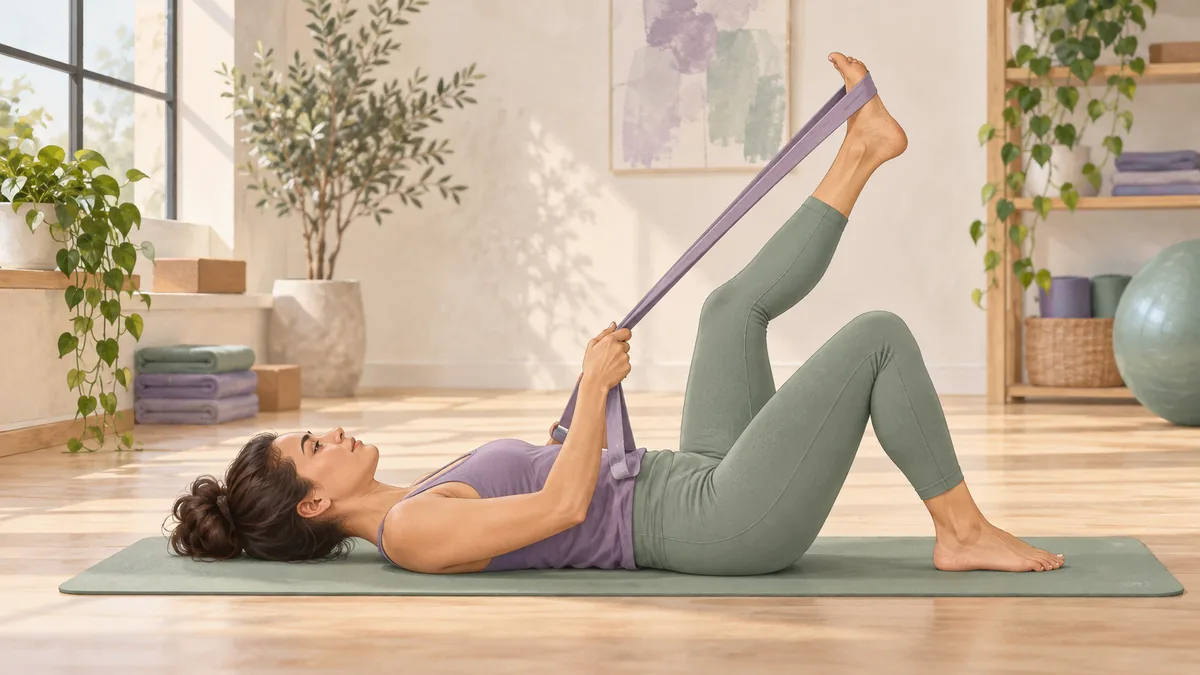
Tight-Feeling Hamstrings: Comfortable Movement and Stretching Options
Explore gentle hamstring movement and strap-assisted stretching, recognize symptoms that need assessment, and compare the same setup over time.
· 3 min read

How Many Rest Days Do You Need? A Practical Guide to Recovery
How to plan rest days for bodyweight, gymnastics, and flexibility training, what active recovery looks like, and the warning signs that you need more rest.
· 4 min read