
Wall Handstands for Adults: Preparation, Coaching and Progression
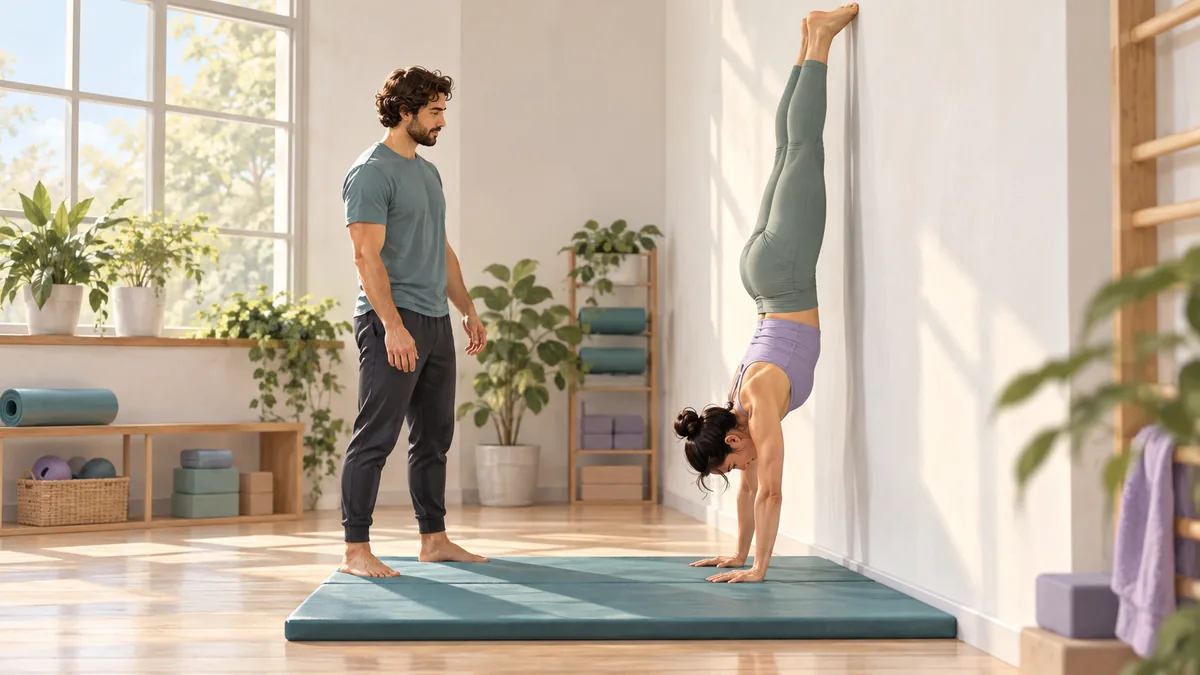
A wall handstand is still an inversion supporting substantial body weight through the arms. The wall can help with balance, but it does not prevent a fall or teach a controlled exit. Preparation, coaching, and an appropriate setup matter more than a target hold time.
This guide maps the decisions to discuss before and during instruction. It is not a home clearance test, and it does not promise a freestanding handstand by a particular week.
Before attempting an inversion
Arrange a qualified gymnastics coach, secured matting, a suitable wall, and a clear surrounding area. AAOS gymnastics guidance emphasizes equipment checks and coaching before new skills. It does not prescribe the progression or hold times here.
If you have a condition that might be affected by inversion, including eye-pressure or blood-pressure concerns, or an injury or pregnancy-related concern, ask your healthcare professional about suitability. Neither five push-ups nor a long plank answers that question.
Begin with low preparation
Warm up generally, then use a comfortable wall lean or knees-down hand support to explore loading. Move the wrists unloaded first. Keep palms down and fingers in a comfortable position when loading; do not rock on the backs of the hands as a beginner drill.
For a low pike or any elevated-foot drill, have your coach choose and secure a purpose-built platform. Household couches and chairs are not substitutes. Reduce the load or stay with upright preparation if the wrists or shoulders are not comfortable.
The wrist guide and shoulder guide provide options to discuss, not screening tests that prove readiness.
Learn a return before increasing height
Ask the coach to teach an entry and exit suited to your ability. Practise returning your feet from a low position before progressing. A cartwheel exit is a separate skill; reading about it does not establish that you can perform it while losing balance.
Do not remove one hand, deliberately fall, or improvise a head-first roll alone. If you cannot return reliably, stay with lower preparation.
Discuss wall-supported practice
A coach may introduce a partial wall walk or another assisted entry. They should select wall distance, height, spotting and how to return. Getting the hands close to the wall is not a goal that overrides the ability to come back down.
During the supported shape, useful points to discuss include active shoulder support, comfortable straight arms without forced hyperextension, breathing, and a body line you can maintain. A visible back arch does not by itself diagnose weak abdominal muscles or tight shoulders.
Use short attempts with adequate rest. End while the exit is still controlled. A long hold achieved by collapsing or holding the breath is not permission to progress.
Balance work is another decision
Reducing wall contact changes the task. Ask the coach when toe releases or other drills are appropriate and what happens if balance is lost. Shoulder taps and one-arm loading are not part of this beginner preparation menu.
Kick-ups also need separate instruction and a reliable exit. Repeatedly kicking hard into the wall is not a substitute for control.
Fit practice into your existing training
Count handstand work together with push-ups, frog stands and other wrist/shoulder loading. Your coach should select a manageable frequency and amount. Short practice can still be demanding, and daily attempts are not required.
| Record | Why it helps |
|---|---|
| Drill and assistance used | Distinguishes preparation from a harder task |
| Controlled entry and return | Shows more than hold time alone |
| Comfortable attempt duration | Helps end before fatigue |
| Symptoms afterward and next day | Informs workload decisions |
Stop for pain, dizziness, unusual visual symptoms, numbness, or feeling unwell; seek appropriate assessment. Review recovery if fatigue accumulates.
An imaginary reader who improves a wall hold but still cannot exit independently has a clear next discussion: the return, not a longer hold or a freestanding attempt. That is how a progression stays connected to the skill being learned.
Sources and further reading
These resources support the topics noted below. The practice routine and progression checkpoints are Ko Myat examples, not programs endorsed by these sources.
- AAOS OrthoInfo: Gymnastics Injury Prevention — Suitable equipment, spacing, coaching and spotting. Also contains youth-specific advice; not an adult progression study.
- NHS: Warming Up Before Exercise — General warm-up example and exercise suitability; not the Ko Myat sequence.
More Gymnastics guides
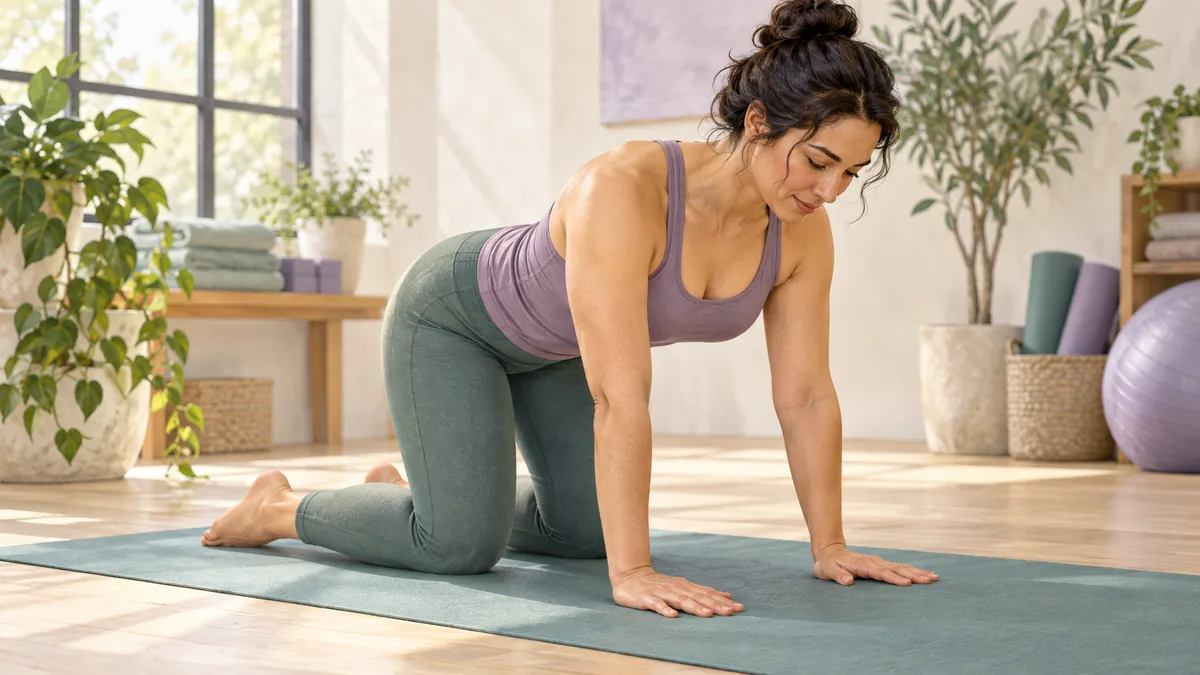
Wrist Preparation and Load Management for Hand-Supported Exercise
Use light wrist preparation, optional manageable resistance, and a loading log for push-ups and gymnastics without treating pain as a training target.
· 3 min read
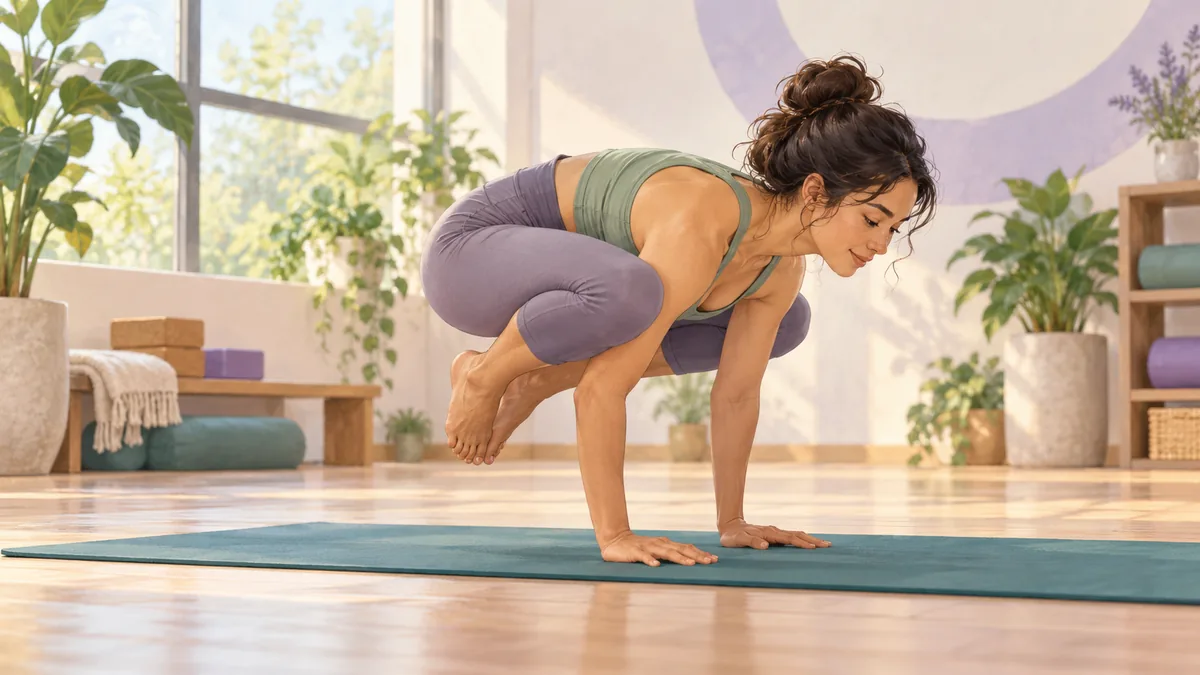
Frog Stand: How to Learn Your First Arm Balance
Explore frog-stand setup, low weight shifts, short holds, and the limits of learning an arm balance without qualified coaching.
· 3 min read
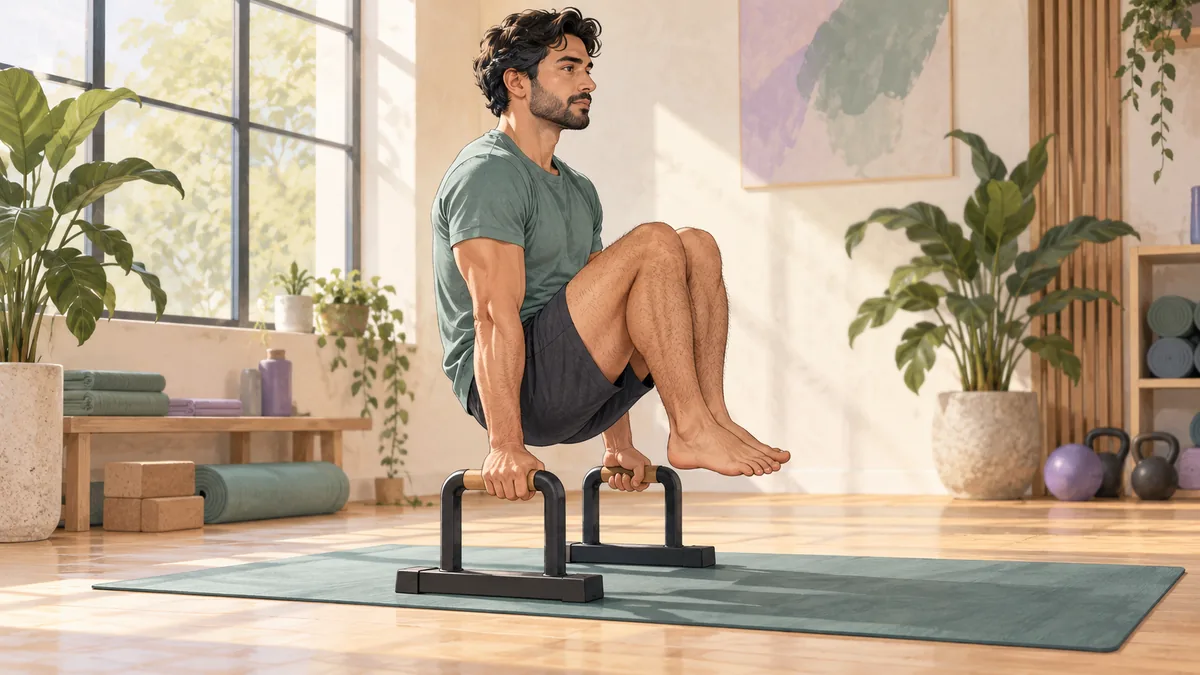
L-Sit Progression: From Tuck Sit to a Full L-Sit
Choose foot-supported holds, tuck sits and leg-extension options on stable low equipment, then adjust assistance and practice amount.
· 3 min read