
Wrist Preparation and Load Management for Hand-Supported Exercise
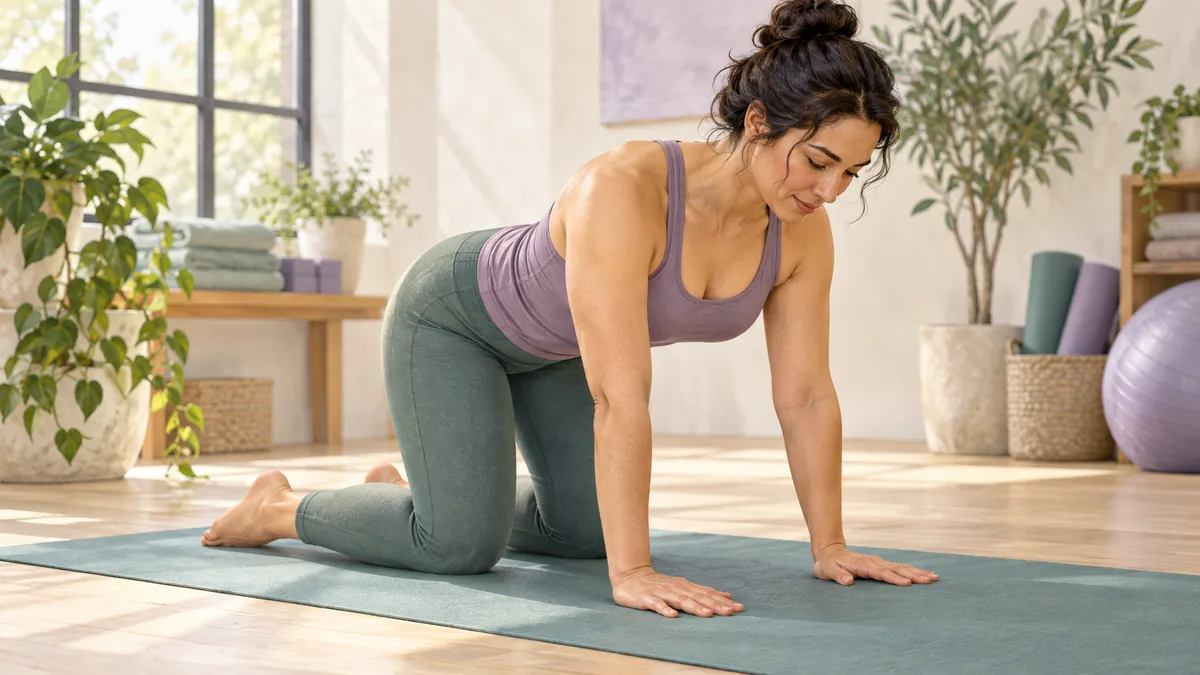
Hand-supported exercises change both the wrist position and the load passing through the hands. A wall lean, knees-down support, frog stand and handstand are different demands. Preparing for one does not prove that your wrists are ready for all of them.
This guide helps generally healthy adults organize light preparation and keep track of loading. It is not rehabilitation for wrist pain, a treatment for an injury, or a guarantee against injury.
First separate discomfort from a training target
Do not try to strengthen through ongoing pain, numbness, tingling, swelling, or symptoms after a fall. Seek healthcare assessment before increasing loading. A painful wrist that feels temporarily better when warm still needs attention if symptoms persist.
AAOS gymnastics safety guidance highlights equipment, coaching and overuse concerns. Some of its wrist discussion concerns young athletes and growth plates; that material should not be used to diagnose adult wrist symptoms.
A light preparation sequence
Begin after a few minutes of comfortable general movement. The following is an example, not a required six-minute protocol.
Unloaded movement
Sit or stand with forearms supported. Gently bend and straighten the wrists, make small comfortable circles, and open and close the hands. A few repetitions in each direction are enough to explore today’s range. Avoid forcing the wrist to its limit.
Wall-supported loading
Place palms on a fixed wall at a comfortable height. Lean in a little while keeping the feet planted, then move back. Start with only a small amount of pressure. Keep the fingers in a position that feels comfortable.
Optional knees-down support
If appropriate for you, move to a stable mat on hands and knees, palms down. Keep the hips farther back to reduce pressure and try a few small shifts. Return before discomfort or loss of control.
Do not load the backs of the hands, force fingers backward, or add fingertip push-ups as a beginner warm-up requirement. A full plank already adds substantial work; it is not the default final step.
Optional resistance work
If you want additional wrist strength work, ask a coach or physiotherapist to help select a manageable resistance and direction. One example is a very light wrist curl with the forearm supported and the hand moving slowly through a comfortable range. A palm-down version changes the task.
Begin with a small amount, such as one set of several controlled repetitions, rather than performing a long menu after every handstand session. Avoid a long-handled hammer or heavy weight as an improvised way to increase torque. Additional work counts toward total loading.
Change one part of the load
| Variable | A small possible change |
|---|---|
| Body support | Shift slightly more weight into the hands |
| Position | Try a comfortable, slightly different wrist angle |
| Amount | Add a few seconds or repetitions |
| Frequency | Add a session only if the overall plan remains manageable |
These are alternatives, not a weekly checklist to increase together. There is no required number of extra hand-balancing minutes each week.
Record the response beyond the session
Log push-ups, handstands, arm balances and support holds together. Note the exercise, assistance, duration and symptoms later or the next morning. If symptoms appear or accumulate, reduce or stop the provoking load and obtain advice as appropriate.
An imaginary reader adds both frog stands and extra wrist curls to a push-up week. If discomfort develops, the useful response is to reduce the added demands, not introduce another wrist drill.
Purpose-built handles may change wrist position for some exercises. They do not treat the cause of pain or make inversion suitable. Use equipment as designed on a stable surface; avoid soft, unstable padding that lets the hands wobble.
For the handstand and frog stand, learn the entry, support and return with qualified instruction. Comfortable preparation is only one part of those skills.
Sources and further reading
These resources support the topics noted below. The practice routine and progression checkpoints are Ko Myat examples, not programs endorsed by these sources.
- AAOS OrthoInfo: Gymnastics Injury Prevention — Suitable equipment, spacing, coaching and spotting. Also contains youth-specific advice; not an adult progression study.
- Mayo Clinic: Strength Training — General resistance selection and recovery guidance; not validation of skill checkpoints.
More Gymnastics guides

Wall Handstands for Adults: Preparation, Coaching and Progression
Plan handstand preparation, learn entries and exits with a coach, and track control and workload before reducing wall support.
· 3 min read
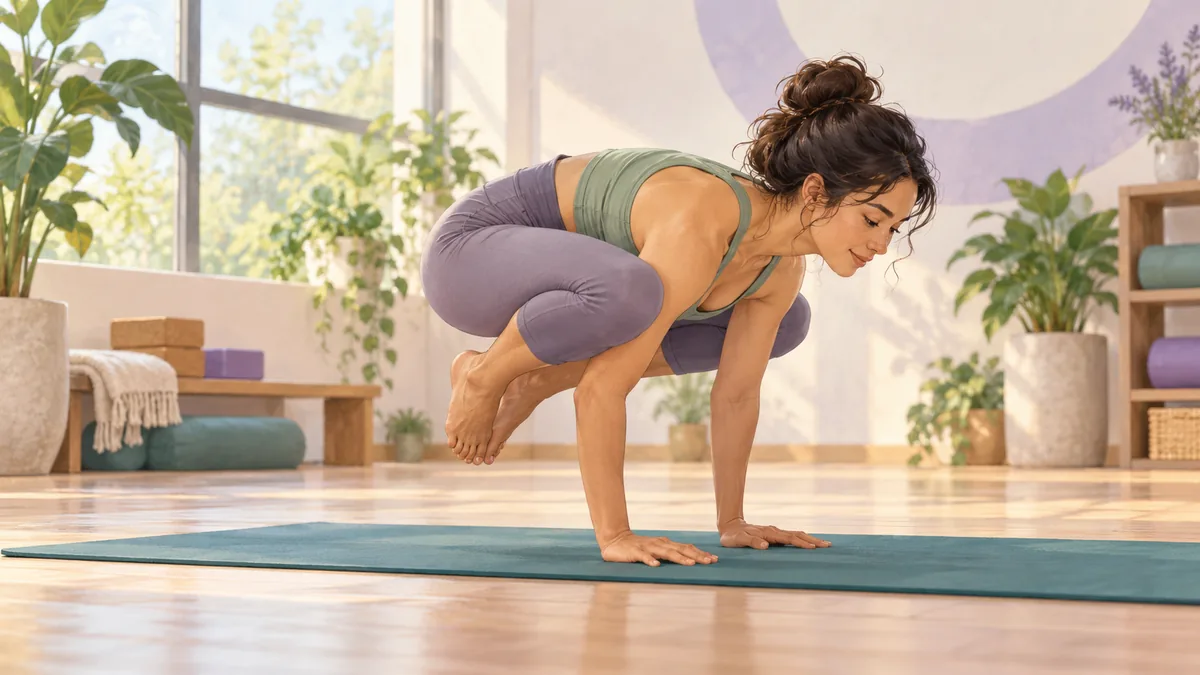
Frog Stand: How to Learn Your First Arm Balance
Explore frog-stand setup, low weight shifts, short holds, and the limits of learning an arm balance without qualified coaching.
· 3 min read
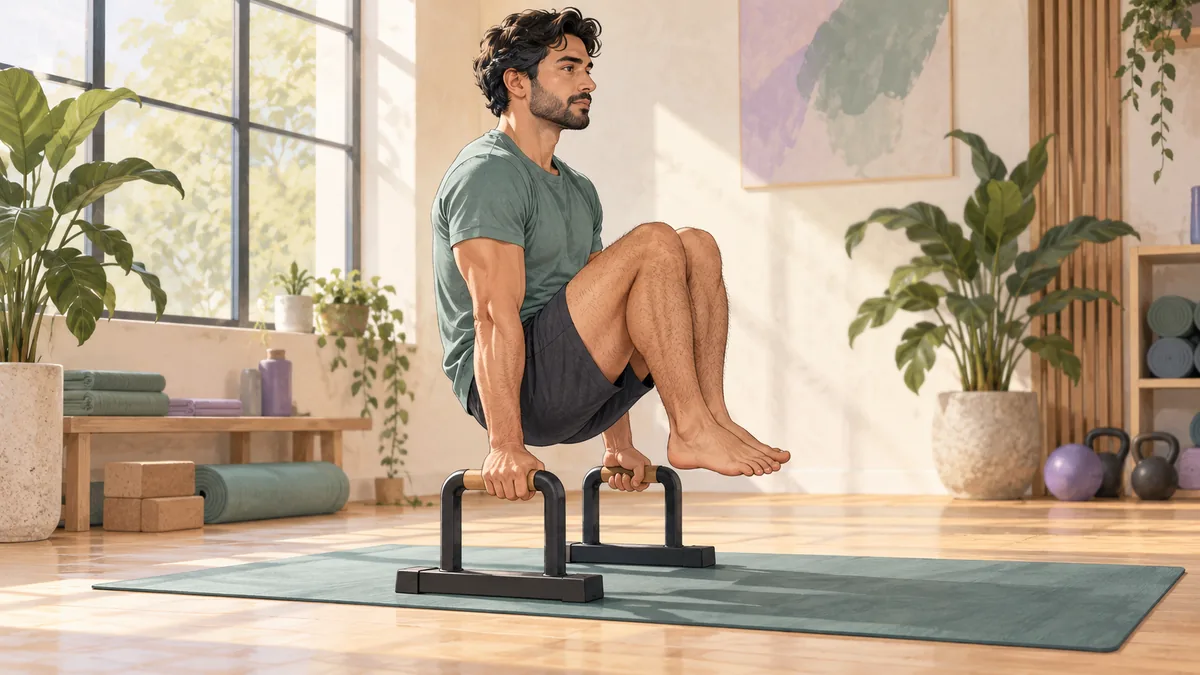
L-Sit Progression: From Tuck Sit to a Full L-Sit
Choose foot-supported holds, tuck sits and leg-extension options on stable low equipment, then adjust assistance and practice amount.
· 3 min read