
Hollow Body Hold: The Gymnastics Core Drill, Done Right
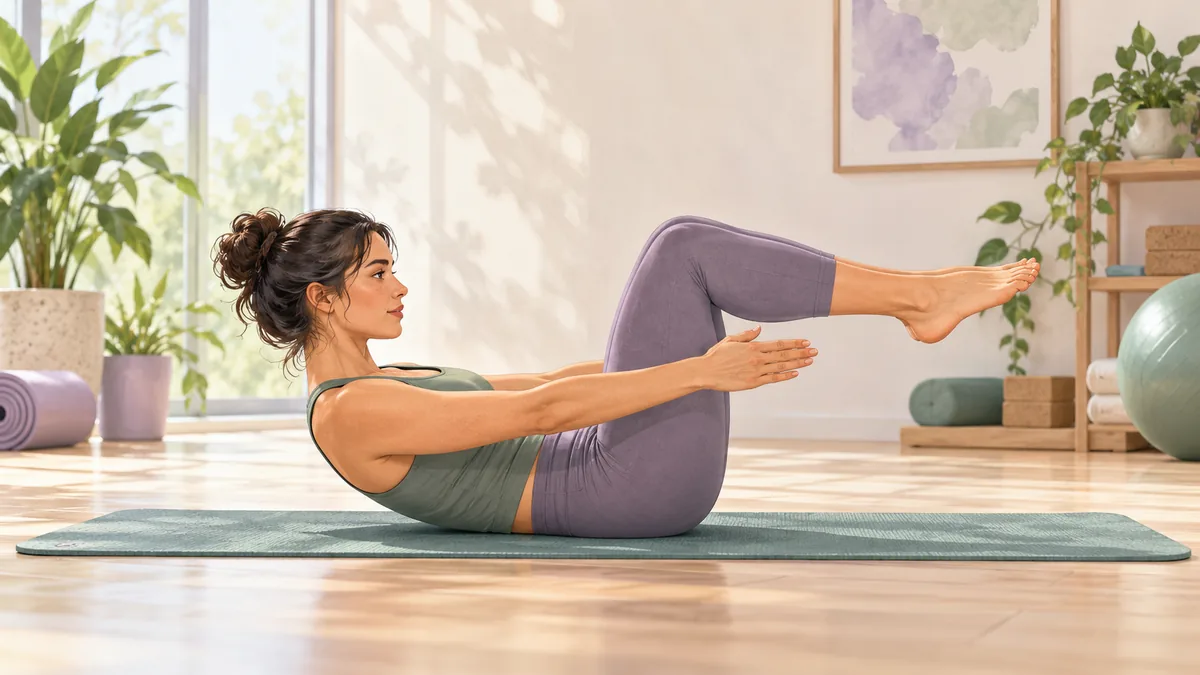
The hollow body hold is a floor exercise for practising trunk control while the arms and legs change position. A bent-knee tuck can be the starting version; straight legs held close to the floor are optional later variations.
This is a practice guide, not a treatment for back pain or a test of readiness for gymnastics. The cover shows a tuck version so you can see that the full straight-body shape is not a starting requirement.
Find a comfortable starting position
Lie on a mat with knees bent and feet resting on the floor. Breathe normally. Gently bring the ribs and pelvis toward a position where you can control the trunk without forcing the lower back down painfully.
Lift one foot a little or bring both knees toward the torso if comfortable. Keep the head resting if raising it causes neck strain. A supported bent-knee position is a valid exercise, even if it does not look like the final hollow shape.
Stop for back or neck pain, tingling, numbness, or other concerning symptoms. Do not hold harder to flatten a painful area.
Change the lever gradually
These are options, not compulsory stages with a validated timed test between them:
| Variation | What changes | Make it easier |
|---|---|---|
| Feet-supported bent knees | Establishes breathing and trunk control | Keep the head resting |
| Tuck with feet lifted | Adds leg weight | Lift one foot at a time |
| One leg extended | Lengthens one leg lever | Keep it higher or slightly bent |
| Both legs extended higher | Adds demand from both legs | Return to one leg |
| Arms farther overhead | Changes the upper-body lever | Reach toward the thighs instead |
Try a small change for a few seconds. If your trunk position changes abruptly or breathing becomes strained, shorten the lever again. You do not need to place the heels a few centimetres above the mat to benefit from practice.
Use short holds before long ones
An example session is two or three comfortable holds of about 5–10 seconds with rest between. Shorter is fine. End before you lose control, then log the variation and actual time.
If those holds become manageable over several sessions, increase one hold slightly or change one limb position. Avoid extending both legs, reaching overhead, and doubling the time together. This keeps the result easier to interpret.
ACSM’s resistance-training guidance supports tailoring demands to the individual. It does not validate a thirty-second hollow hold as a prerequisite for another skill.
What to do when technique changes
The lower back lifts as the legs lower: raise the legs or return to bent knees. This shows that the chosen shape is harder to maintain; it does not prove that all abdominal work has disappeared or identify an injury.
The neck tires: rest the head and choose an easier variation. Do not press the chin down forcefully. Persistent pain should be assessed.
You cannot keep breathing: shorten the hold and reduce demand rather than turning it into a breath-holding challenge.
You feel pressure or pain rather than ordinary effort: stop and seek suitable advice if it persists or concerns you.
Where it fits in training
Use a small amount within your strength session, counting it with other trunk work. It may help you become familiar with body-line cues used in gymnastics, but learning a floor shape does not guarantee transfer to an inverted or hanging skill.
Hollow rocks add movement and are optional. Learn them only when a coach considers the shape and rocking action manageable; a long still hold does not automatically make rocking appropriate.
Compare the same variation over time using the practice log. For L-sits or handstands, follow the separate equipment and coaching guidance.
Sources and further reading
These resources support the topics noted below. The practice routine and progression checkpoints are Ko Myat examples, not programs endorsed by these sources.
- ACSM: 2026 Resistance Training Guidelines — Healthy-adult resistance training, individualization, and home-based options; not a gymnastics protocol.
- AAOS OrthoInfo: Gymnastics Injury Prevention — Suitable equipment, spacing, coaching and spotting. Also contains youth-specific advice; not an adult progression study.
More Gymnastics guides
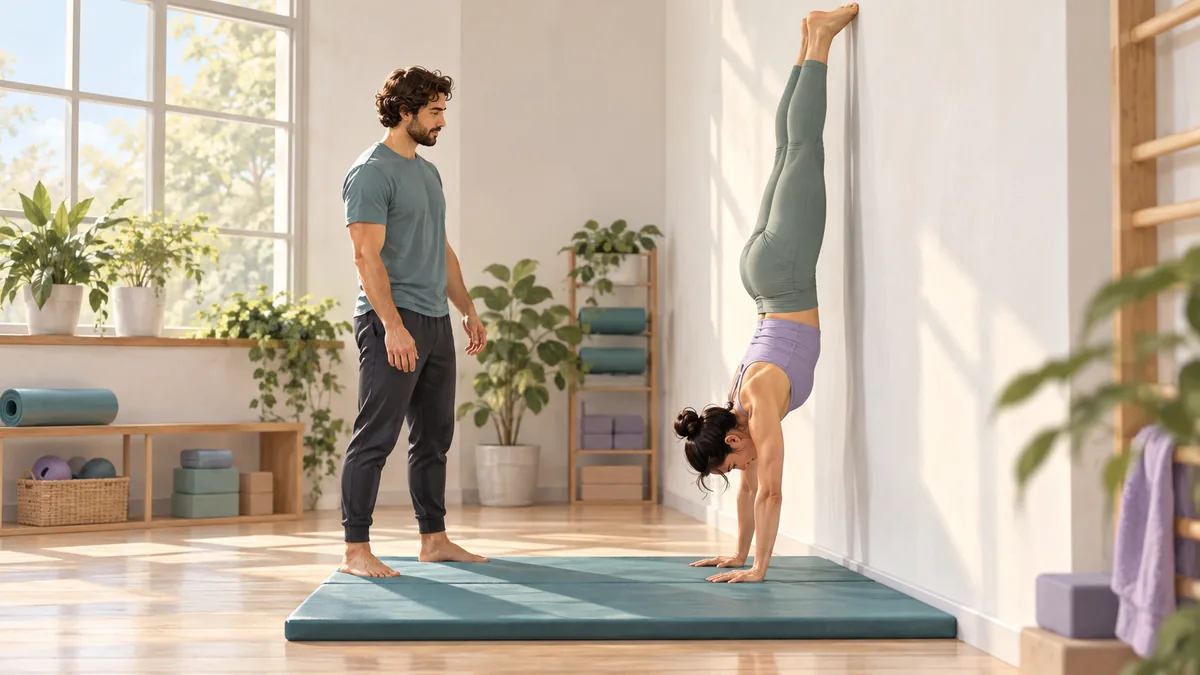
Wall Handstands for Adults: Preparation, Coaching and Progression
Plan handstand preparation, learn entries and exits with a coach, and track control and workload before reducing wall support.
· 3 min read
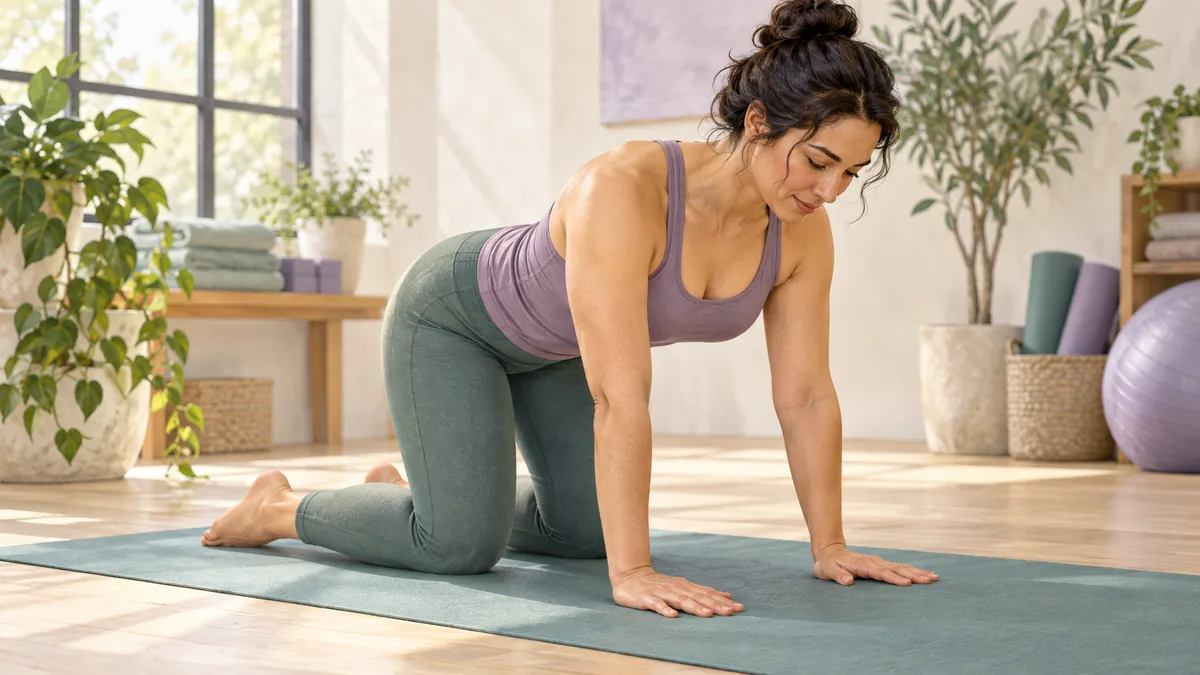
Wrist Preparation and Load Management for Hand-Supported Exercise
Use light wrist preparation, optional manageable resistance, and a loading log for push-ups and gymnastics without treating pain as a training target.
· 3 min read
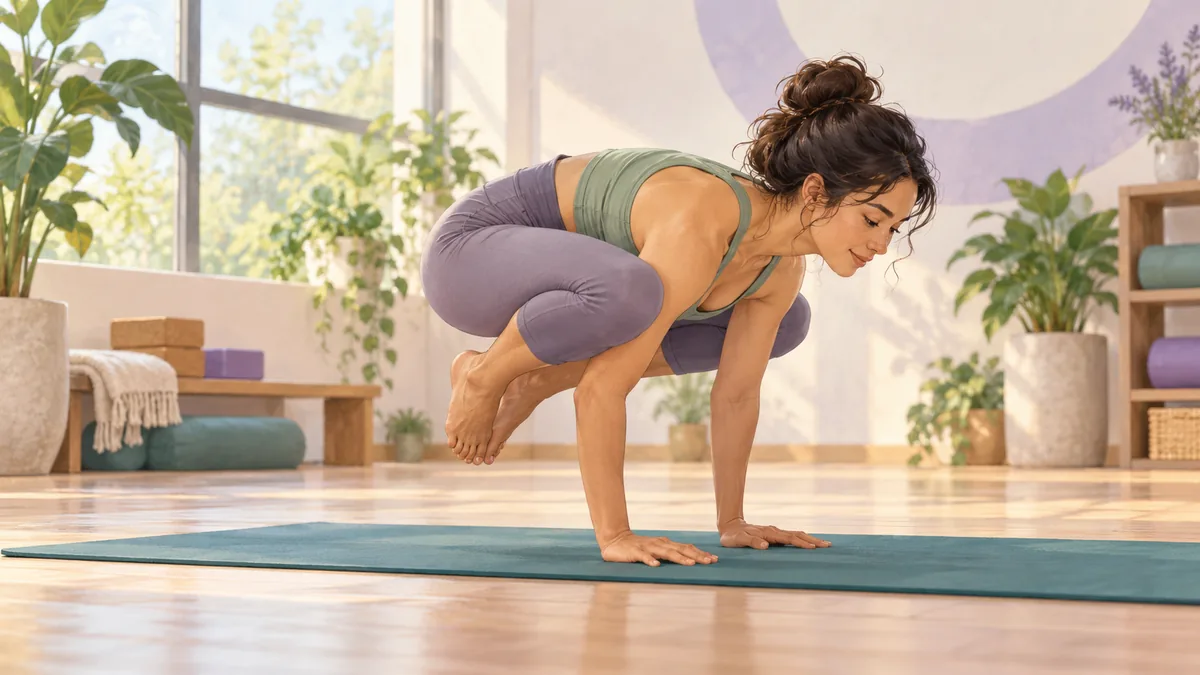
Frog Stand: How to Learn Your First Arm Balance
Explore frog-stand setup, low weight shifts, short holds, and the limits of learning an arm balance without qualified coaching.
· 3 min read