
Cartwheels for Adult Beginners: Preparation and the Movement Pattern
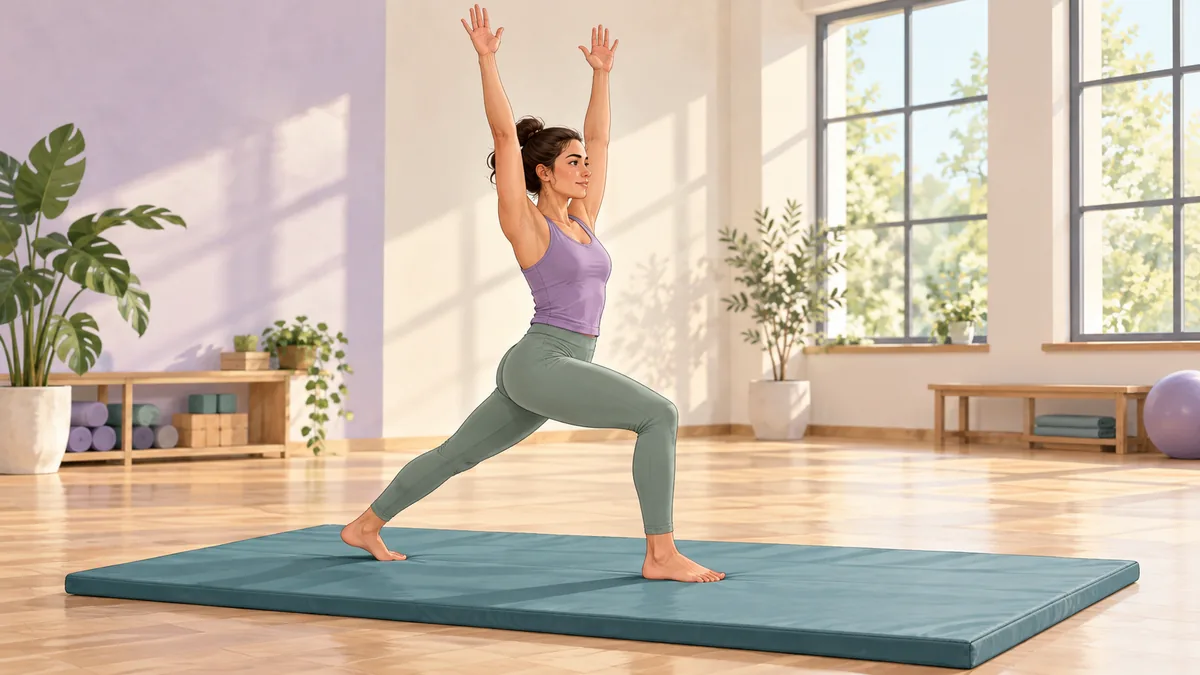
A cartwheel transfers support from the feet to the hands and back to the feet while the body travels sideways. The order is often described as “hand, hand, foot, foot.” That phrase helps explain the movement, but it does not teach how to control an unexpected fall.
Use this article to understand the sequence and prepare questions for a qualified gymnastics coach. The cover shows a standing entry lunge; it does not demonstrate an inverted cartwheel.
Arrange the practice conditions
Learn inverted and travelling drills in a suitable facility with secured gymnastics matting, clear space, and qualified supervision. Grass, carpet, and loose pillows cannot be assumed to provide an appropriate landing surface. Keep walls, furniture, and other people out of the travel area.
AAOS gymnastics safety guidance supports checking equipment, allowing space, and involving a coach before a new movement. It does not give a validated adult cartwheel readiness test.
If you have pain, a recent injury, or a health condition affecting inversion or weight-bearing, obtain individual advice first. Holding a plank for a particular number of seconds does not establish readiness to cartwheel.
Understand the order before adding height
For one common forward-lunge entry, the hand on the side of the lead leg goes down first. The second hand follows, then the leg that lifted first returns to the mat, followed by the other foot. Exact hand angles, travel direction, and finishing position depend on the version your coach teaches.
Ask the coach to demonstrate slowly and identify the sequence from your viewing angle. A text description can be confusing when left and right are reversed; do not compensate by kicking higher.
Standing preparation
After a warm-up, rehearse a comfortable lunge with both feet remaining on the floor:
- Choose a lead leg with the coach.
- Step into a shallow lunge with a stable base.
- Raise the arms comfortably without forcing the shoulders or back.
- Return to standing under control.
A few repetitions can help you become familiar with the entry. Floor tape can mark the intended direction; avoid a loose rope that could become a trip hazard. This drill is not a reason to begin an unsupported kick-up at home.
Moving drills belong in the coached session
A coach may use low hand-placement and weight-transfer drills, then gradually introduce travel and inversion. Have the coach select each drill, its amount, spotting, and exit. Do not assume a bunny hop is low risk because the feet stay low; it still transfers weight to the arms and can end in a forward fall.
Avoid practising over household boxes or benches, or beside a wall to force straight legs. Height and straight legs can wait until the path and landing are controlled.
Turn difficulties into questions
| What you notice | Ask the coach to check |
|---|---|
| You finish off the intended path | Hand placement, direction and landing space |
| Legs stay bent or low | Whether more height is appropriate yet |
| You feel afraid of tipping over | A lower preparation and a reliable exit |
| You lose control near the finish | Entry speed, spacing and assistance |
These observations do not identify a single cause. Avoid fixing every miss by kicking harder. Stop for wrist or shoulder pain; seek assessment after a painful fall, swelling, numbness, or persistent symptoms.
Measure consistency rather than repetitions alone
Record the coached drill, assistance, controlled entries and landings, and fatigue. A practice target should end before control deteriorates. Twenty attempts with increasingly poor landings are not a useful requirement.
Progress on the other side only when your coach considers it appropriate; symmetry is not permission to double the session. Read the handstand guide separately if that is another goal, because its entries and exits need their own instruction.
Sources and further reading
These resources support the topics noted below. The practice routine and progression checkpoints are Ko Myat examples, not programs endorsed by these sources.
- AAOS OrthoInfo: Gymnastics Injury Prevention — Suitable equipment, spacing, coaching and spotting. Also contains youth-specific advice; not an adult progression study.
- NHS: Warming Up Before Exercise — General warm-up example and exercise suitability; not the Ko Myat sequence.
More Gymnastics guides
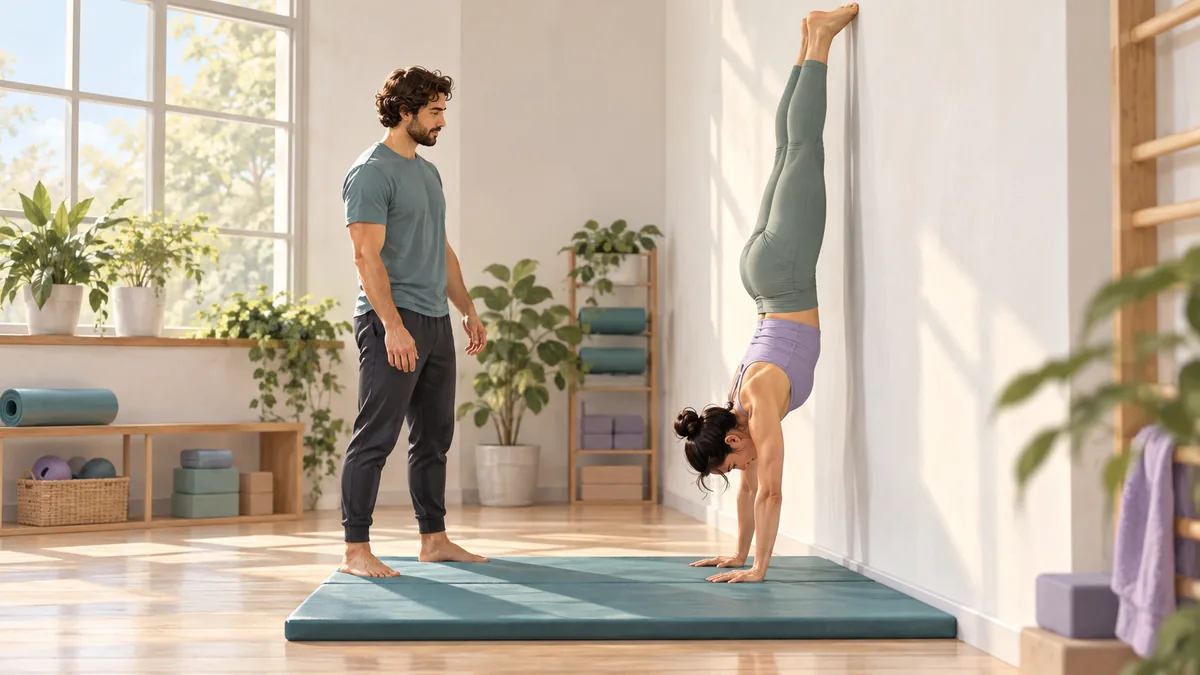
Wall Handstands for Adults: Preparation, Coaching and Progression
Plan handstand preparation, learn entries and exits with a coach, and track control and workload before reducing wall support.
· 3 min read
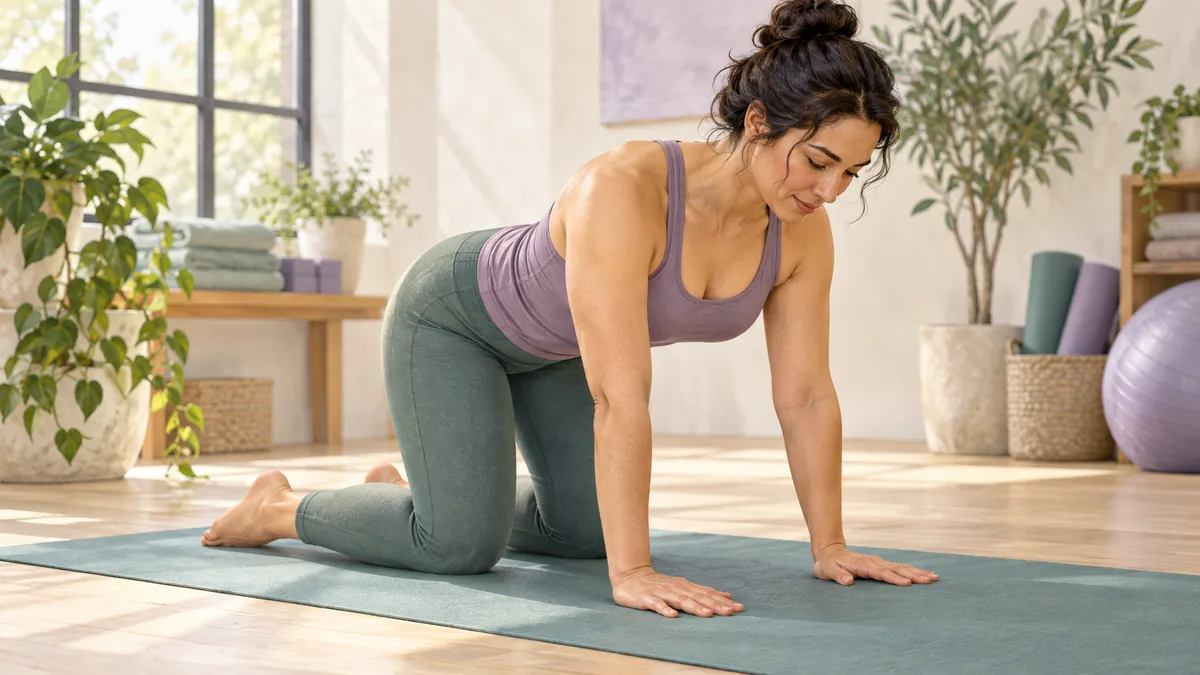
Wrist Preparation and Load Management for Hand-Supported Exercise
Use light wrist preparation, optional manageable resistance, and a loading log for push-ups and gymnastics without treating pain as a training target.
· 3 min read
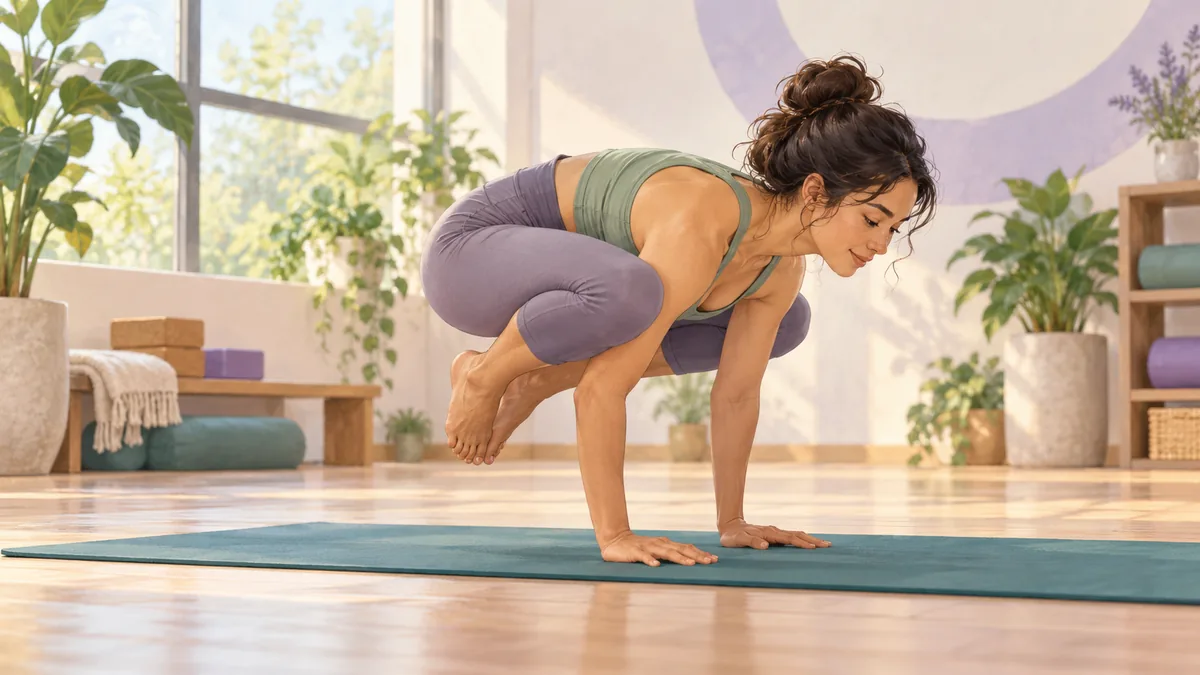
Frog Stand: How to Learn Your First Arm Balance
Explore frog-stand setup, low weight shifts, short holds, and the limits of learning an arm balance without qualified coaching.
· 3 min read